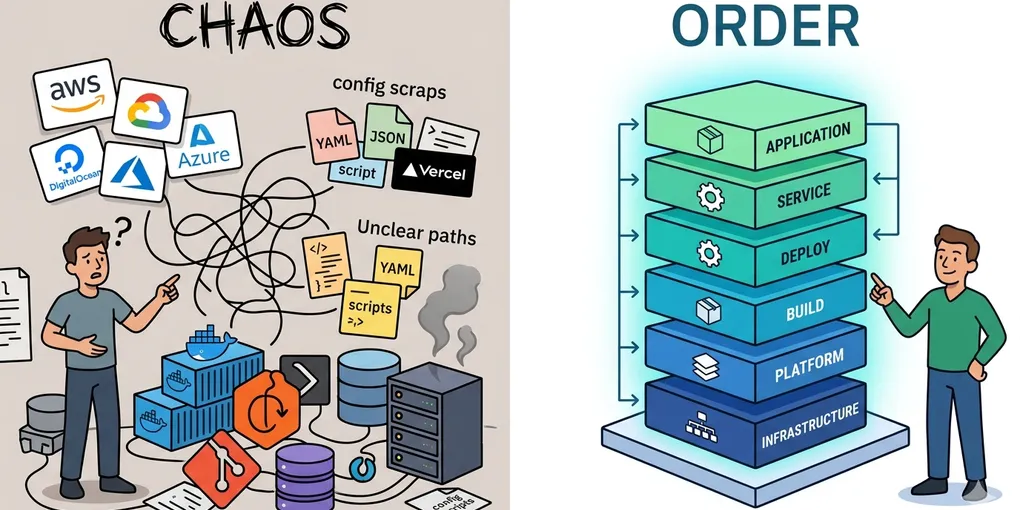
6 rules to lock down before choosing deployment and hosting for developers
Most deployment decisions go wrong before the team even compares providers. The real problem is not that one platform is always bad. The problem is that the team never fixed the criteria first. Then every choice turns into preference, habit, or whichever dashboard felt easier that day.
If you want a hosting choice that still makes sense after the project grows, you need a small set of operating rules before you start comparing products. These six are the first layer.
For the broader context, use the deployment and hosting unit page as the main index. This post is the rule-setting entry point for the rest of the comparison workflow.
1. Fix stack fit before feature lists
A deployment platform should first match the framework, build workflow, and runtime assumptions of the project. If the stack fit is poor, every later feature advantage becomes expensive.
2. Decide how rollback must work
Teams often compare previews, analytics, or CDN features first. The safer question is simpler: what happens when a bad deploy reaches production? If rollback is slow, hidden, or manual in the wrong way, the platform cost is already higher.
3. Lock the observability requirement
It is easier to choose hosting when you already know what logs, runtime signals, build traces, and failure visibility the team needs. Without that, platforms get judged by surface polish instead of operating clarity.
4. Domain and DNS flow should be boring
Custom domains, redirects, certificates, and environment separation should not become a one-person ritual. A good hosting setup is one that another developer can understand and maintain without reverse engineering the entire route table.
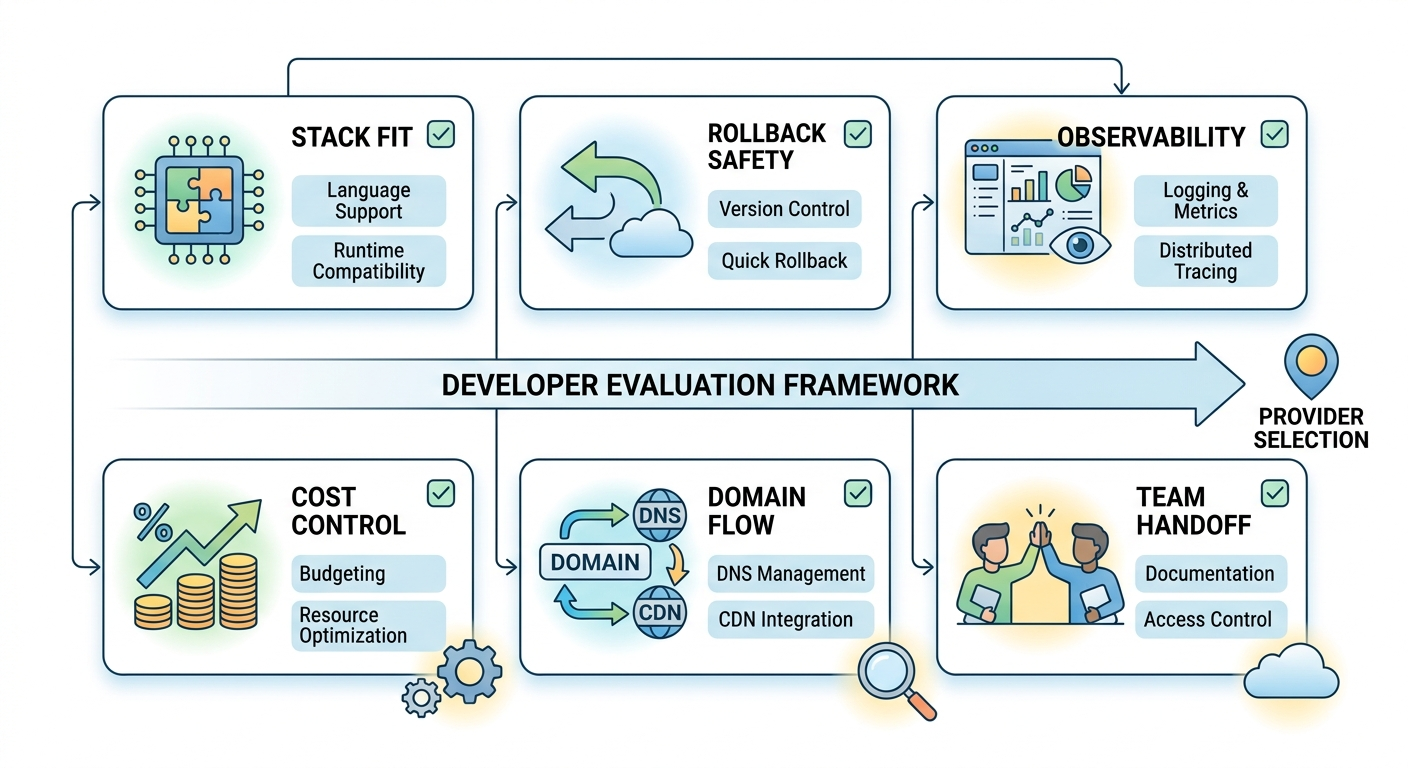
5. Compare cost shape, not just headline price
Cheap platforms become expensive when logs, images, build minutes, or team seats expand in the wrong direction. Look at how cost grows with the real usage pattern of the project, not only the first month.
6. Choose for team handoff, not solo comfort
The right hosting choice should survive ownership changes. If only one developer understands how deploys, domains, secrets, and rollback work, the platform is not really stable.
What to fix first
If you are deciding now, lock stack fit, rollback, and observability first. Those three remove most of the noise before you even start a product-by-product comparison.
After that, return to the unit page and split the next articles by platform comparison, rollback checklist, or cost control. This page should stay the stable baseline rather than become another provider opinion post.